December 4, 2025
Protecting delicate belongings during a move is one of the biggest concerns homeowners face. Glassware, artwork, antiques, electronics, and heirlooms all require careful attention from the moment they leave a shelf to the moment they settle into a new home. While every relocation comes with some risk, choosing experienced local movers greatly reduces the chances of damage. These professionals understand how to secure fragile items, how to manage short-distance travel conditions, and how to adapt their methods based on the unique needs of each household. According to ConsumerAffairs, any relocation within 100 miles is generally considered a local move, meaning most households rely on local movers when they need safe, reliable support for the items that matter most. Beyond convenience, local crews bring a familiarity with regional roads, weather patterns, and neighborhood layouts that helps them anticipate challenges more accurately than larger, long-distance carriers.
What Techniques Do Local Movers Use To Ensure the Safety of Fragile Items?
One of the reasons local movers are trusted with delicate belongings is their wide range of protective techniques. They typically start by selecting the proper packing materials. High-quality bubble wrap, padded blankets, corrugated inserts, and reinforced boxes create layers of protection around items that could crack or break under pressure. Many local movers also use specialty dish packs or glassware dividers, which keep fragile items separated and prevent shifting during transport. These materials are specifically designed to absorb shock and reduce the chance of pressure points forming around sensitive surfaces.
Beyond materials, the packing method itself is crucial. Skilled local movers wrap fragile items individually, ensuring that no two pieces touch or rub together. They seal boxes securely and clearly label them so the crew knows to handle them with greater caution. Movers may also add cushioning to the bottom and sides of boxes to prevent movement from sudden stops or shifts in the truck. Once the moving truck is loaded, strategic placement matters. Fragile boxes are stacked on top of heavier ones, secured by straps, and kept away from edges where they might shift. This organized and careful approach helps local movers maintain consistent protection throughout the entire trip.
How Do Local Movers Handle Unique or Unusually Shaped Delicate Items?
Not every fragile belonging fits neatly into a box. Sculptures, oversized mirrors, chandeliers, and musical instruments often require a custom approach. When homeowners work with experienced local movers, they gain access to specialized solutions built for these challenges. These professionals are accustomed to evaluating odd shapes, uneven weight distribution, and fragile structures that cannot be supported by standard packing materials.
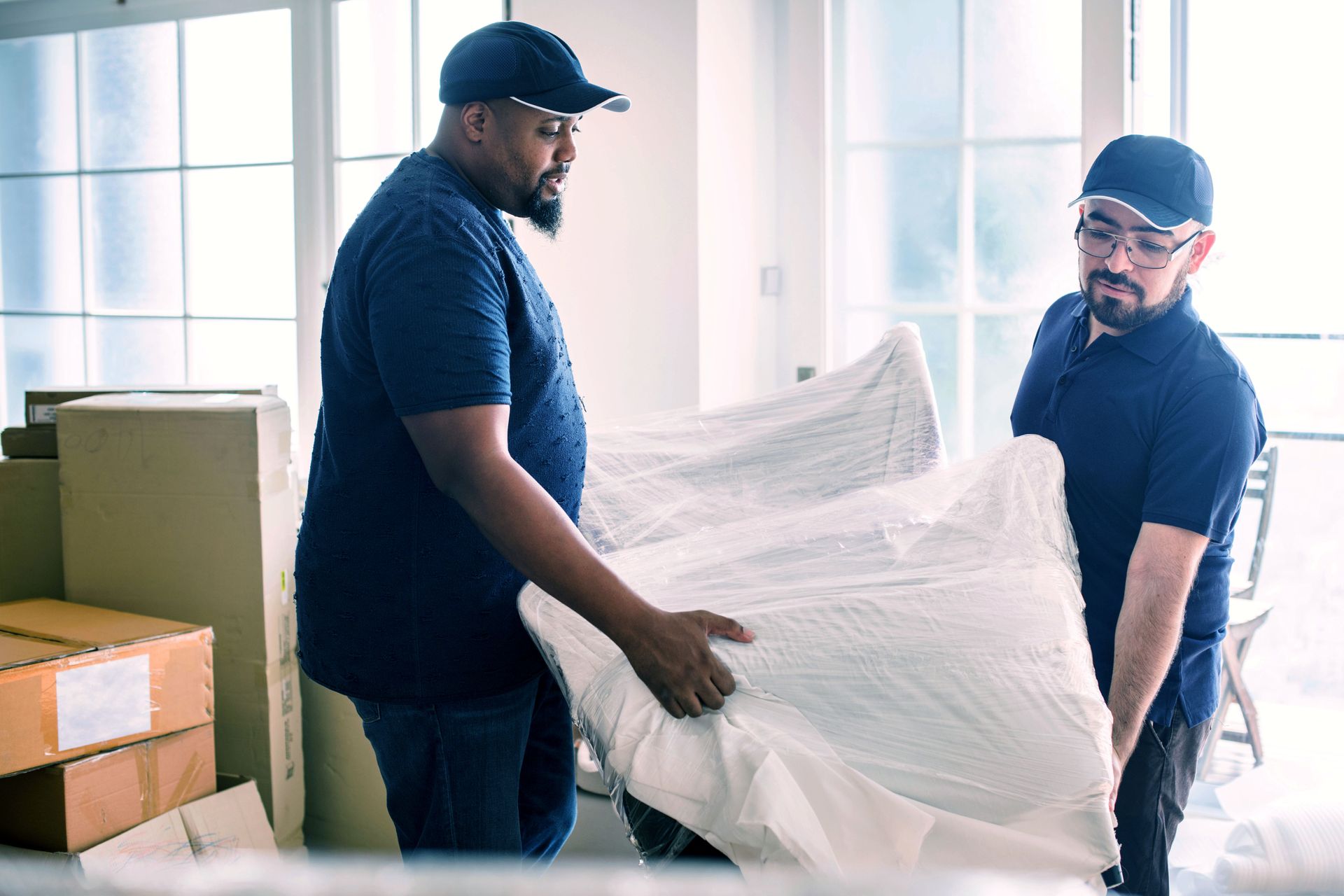
For example, uniquely shaped objects may be wrapped in multiple layers of foam and moving blankets before being placed in custom crates. Delicate artwork or mirrors might be secured with corner protectors and slid into reinforced picture boxes for added stability.
Large or delicate installations—like chandeliers or architectural pieces—may be disassembled before transit. Movers photograph each step, label the hardware, and pack components separately to guarantee easy reassembly. These tailored strategies allow local movers to handle items that require more than standard packing. Their ability to adapt ensures even unusually shaped pieces remain safe from bumps, drops, and abrupt motions that can occur on the road.
What Kind of Training Do Local Movers Receive for Handling Fragile Items?
Behind the expertise of local movers is extensive training. Many companies require new team members to complete hands-on instruction before they ever pack a customer’s belongings. This training typically includes lessons on identifying vulnerable points on fragile items, using the right protective materials, and practicing safe lifting and carrying techniques. Crews are taught how to avoid twisting an item while lifting, how to pass delicate items between movers safely, and how to balance weight across their bodies to maintain control.
Experienced local movers are also trained to communicate effectively as a team. Moving delicate items often requires coordination between multiple people—especially when navigating tight hallways or staircases. Crews practice coordinating movements, planning walking paths, and responding quickly if adjustments are needed. Effective communication prevents accidents and ensures everyone understands their role during fragile-item transport.
Ongoing training is common as well. As new packing materials or tools become available, local movers stay updated on best practices. They also receive guidance on customer service, emphasizing patience, clarity, and reassurance when handling high-value, fragile belongings. This combination of technical skill and professional communication helps homeowners feel confident placing their delicate items in a mover’s hands. Some companies even host refresher sessions before peak moving seasons to ensure all team members are aligned on protocols.
How Do Local Movers Manage the Risk of Damage During Transport?
Even short-distance moves come with risks—sudden stops, potholes, sharp turns, and uneven roads can all affect how safely items travel. Reliable local movers anticipate these factors and use protective strategies to minimize the chance of damage. Their planning often begins well before the truck leaves the driveway.
Load balancing is one of the most important steps. By arranging larger, heavier items at the base and stacking lighter, fragile items above, local movers create stability inside the truck. They also use straps, rails, and friction mats to prevent shifting. Fragile boxes are often grouped rather than scattered throughout the truck, allowing movers to monitor them more closely. This organizational approach helps maintain structural support throughout the ride.
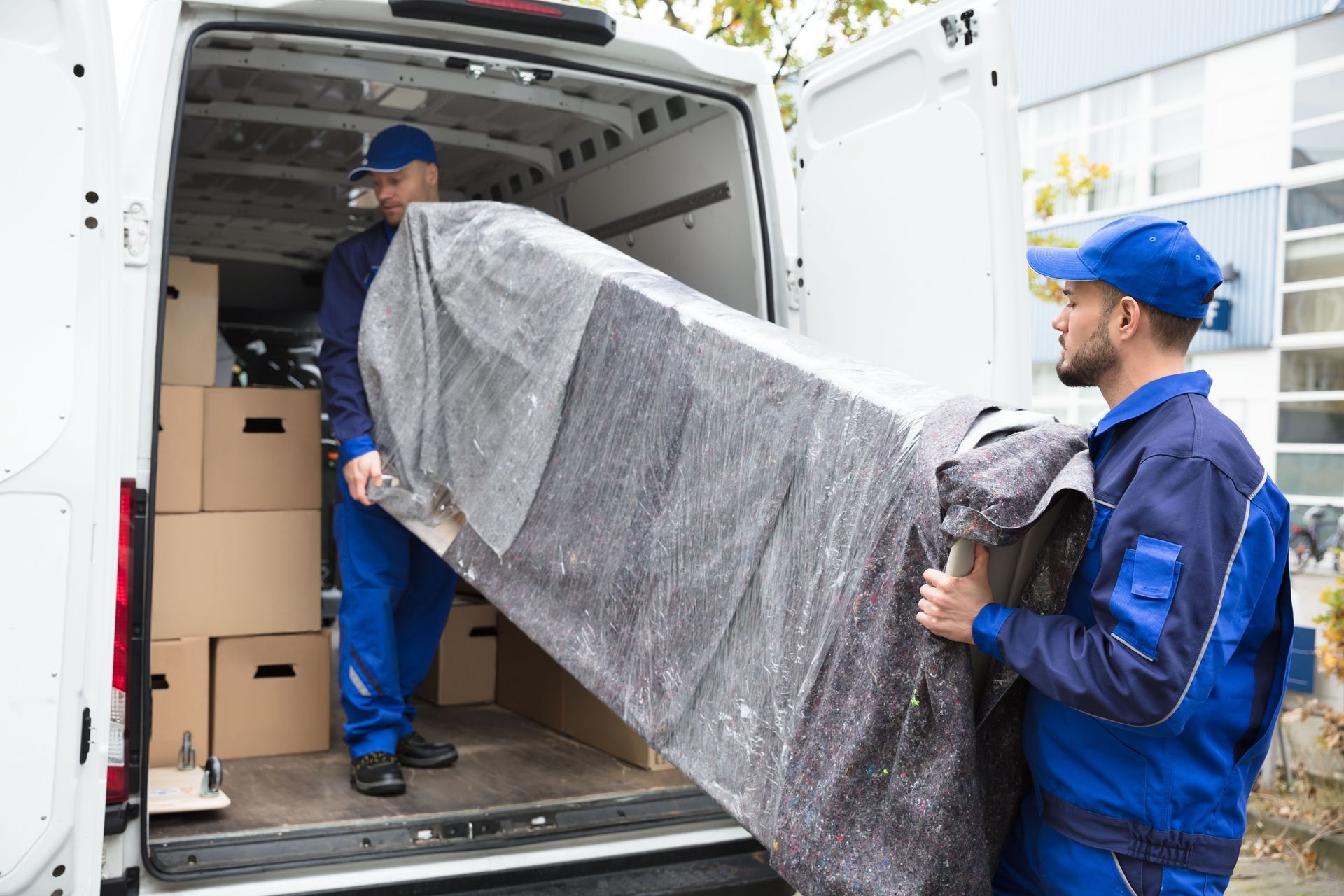
Padding the interior of the truck is another common method. Many local movers line walls and floors with thick blankets or cushioning to reduce vibration impact during transport. They also drive carefully, maintaining steady speeds and allowing extra time for braking. With short-distance moves, there’s no need to rush, so local movers can focus on smooth, controlled driving that prioritizes item safety.
Before departure, teams often complete a final inspection to confirm every fragile item is secure. This extra step ensures nothing is overlooked and gives homeowners peace of mind during the trip. In some cases, movers will conduct an additional check mid-route if the move involves multiple stops, ensuring stability remains intact throughout the day.
What Should Customers Look for When Hiring Local Movers for Fragile Items?
Selecting the right professionals is just as important as packing correctly. Not all companies bring the same level of care or expertise, so customers should evaluate local movers carefully before booking.
A proven track record with fragile items is essential. Reading reviews and testimonials helps identify which local movers consistently receive praise for careful handling. Many homeowners specifically mention delicate items, so patterns in the feedback can be revealing. Companies with a strong local reputation usually understand the expectations of the community and maintain high standards to protect that reputation.
Experience is another key factor. Established local movers who have handled thousands of fragile items typically perform more confidently and efficiently. Customers should also pay attention to whether a company offers valuation coverage or additional insurance options for delicate belongings. These protections provide reassurance when moving high-value items.
Asking about packing materials and techniques provides further insight. Reputable local movers are transparent about the methods they use, the training their team receives, and the steps taken to protect items on the road. Companies that hesitate to provide details may not offer the level of care customers expect.
Lastly, communication matters. Homeowners should choose local movers who are responsive, respectful, and willing to explain their process. Clear communication builds trust—especially when high-value fragile items are involved. A mover willing to walk customers through each step is far more likely to approach fragile belongings with the patience and attention they deserve.
Protecting delicate belongings requires skill, teamwork, and the right materials. By working with knowledgeable
local movers, homeowners gain access to proven techniques that safeguard fragile items from packing to transport. With the right expertise and attention to detail, these professionals make it far more likely that delicate possessions will arrive safely and intact, even on short-distance moves. If you're looking for reliable local movers, reach out to the team of professionals at Top Dog Moving today!