June 1, 2026
In the realm of significant relocations, misinformation often abounds. This article seeks to debunk some common misconceptions about big moves, providing clarity and guidance for those considering such an endeavor. Moving is often perceived as a chaotic and expensive experience that most people dread. The reality, however, can be quite different with the right information and preparation. By addressing these misconceptions, we aim to empower movers to approach their relocations with confidence and ease.
Misconception 1: Moving Is Always Chaotic and Stressful
Moving is often assumed to be inherently chaotic and stressful, primarily due to the logistics and emotional impact involved. However, careful planning can significantly mitigate the stress associated with moving. By scheduling tasks in advance and setting realistic timelines, individuals can navigate the transition with greater ease. Planning allows for the anticipation of potential challenges and the preparation of solutions. Ultimately, organization is key to transforming the moving process from chaotic to manageable.
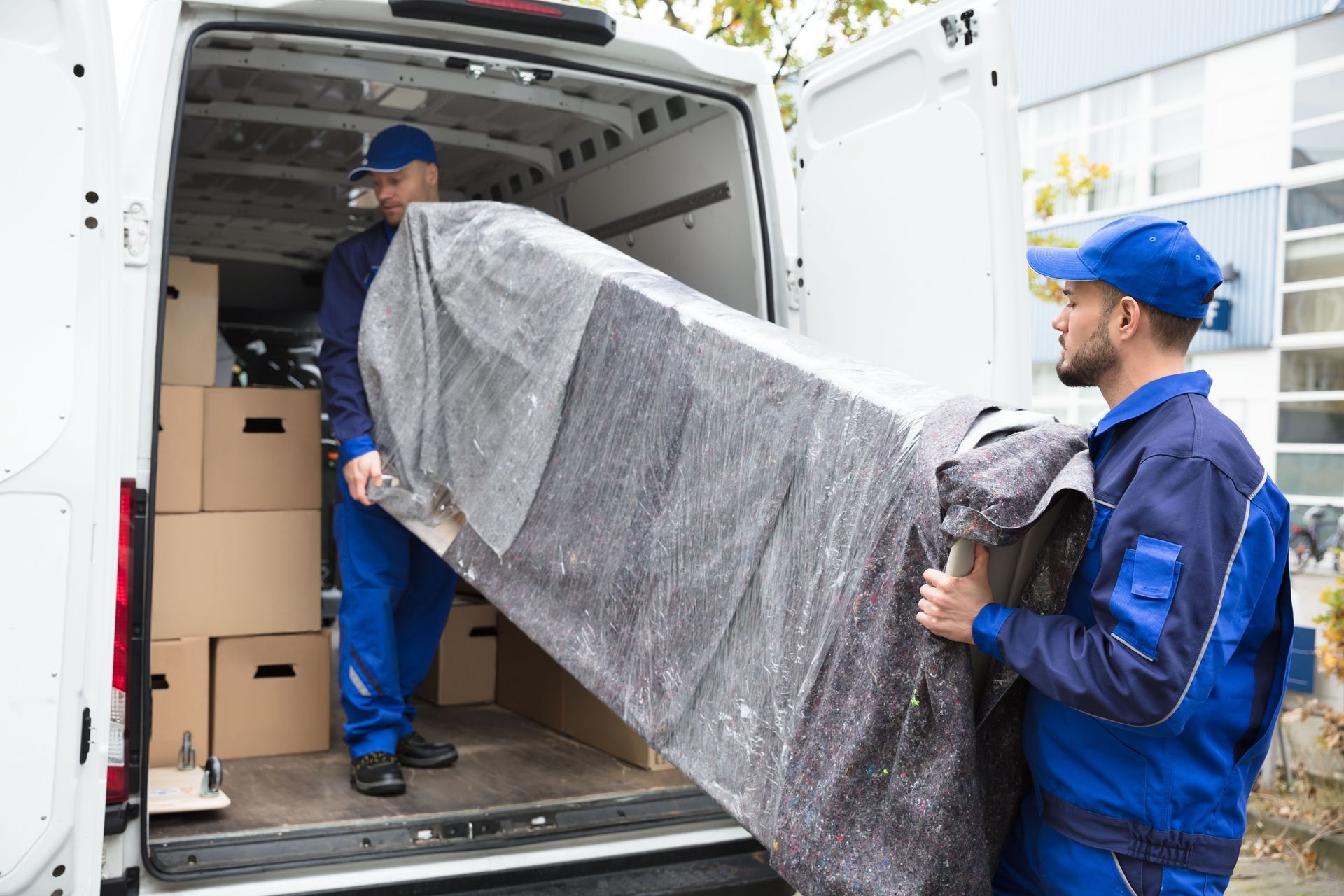
Professional moving services can play a crucial role in alleviating stress during a move. Their expertise and experience allow for efficient handling and transportation of belongings. Many moving companies offer comprehensive services that include packing, loading, and unpacking, reducing the physical and mental burden on individuals. Hiring professionals can also ensure that fragile and valuable items are properly cared for, minimizing the risk of damage. Therefore, investing in professional moving services can be a worthwhile strategy for a smoother relocation.
Misconception 2: It's Cheaper to Move Yourself
Many people assume that a DIY move is more cost-effective than hiring professional moving services. While it may appear cheaper initially, hidden costs can quickly accumulate. Expenses such as truck rental, fuel, packing supplies, and potential repairs for damaged items often go overlooked. Moreover, unexpected issues like vehicle breakdowns or insufficient packing can lead to additional costs. Therefore, a thorough evaluation of potential expenses is crucial when considering a DIY move.
When evaluating moving costs, it is important to compare DIY options and professional moving services comprehensively. Moving companies may provide fixed-rate packages that cover all aspects of the move. While the upfront cost seems higher, these packages often include insurance, labor, and equipment, which can lead to overall savings. Additionally, professional movers bring efficiency and expertise to the process, potentially reducing the amount of time needed to complete the move. Therefore, the apparent cost savings from a DIY move may not outweigh the benefits and convenience offered by professionals.
Understanding the balance between time and financial savings is crucial in decision-making. The average American moves 11.7 times in their lifetime, according to ConsumerAffairs, each requiring careful deliberation over cost and efficiency. A DIY move may save money, but consume valuable time that could be better spent on other priorities. On the other hand, professional movers can free up time for individuals to focus on settling into their new environment. The decision should balance both financial and personal considerations for optimal outcomes.
Misconception 3: All Moving Companies Are the Same
A prevalent misconception is that all moving companies offer identical services. In reality, moving companies vary significantly in terms of services offered, pricing, and customer experiences. Some specialize in local moves, while others handle long-distance relocations or international moves. Hence, evaluating each company's scope and expertise is critical in selecting the right mover for specific needs. Consumers must ensure that the services provided match their unique moving requirements.
Licensing and accreditation are important factors to consider when selecting a moving company. Legitimate companies are registered with appropriate regulatory bodies, such as the Department of Transportation. This ensures compliance with legal standards and offers protection against fraudulent operators. Therefore, verifying these credentials can enhance confidence in choosing a reputable moving company.
Misconception 4: Moving Far Is Always Expensive
Many believe that long-distance moves are invariably costly, but several factors influence the final price. The volume and weight of the items being transported, travel distance, and seasonality all affect costs. Additional services such as packing and storage also contribute to the total. Understanding these elements can help in identifying cost-effective strategies. Therefore, knowledge about the factors affecting costs enables better financial planning for long-distance relocations.
Several strategies exist for reducing the expenses of a long-distance move. Downsizing possessions before the move can substantially reduce the weight and volume components of the cost. Additionally, flexible scheduling that takes advantage of off-peak times can yield savings. Bundling services with a single provider often leads to discounts, providing another avenue for cost-effectiveness. By implementing these strategies, long-distance moves can be more financially viable.
Timing is a crucial factor that influences moving costs significantly. Moving during peak periods, such as summer or weekends, typically incurs higher fees. Off-peak times, like mid-week or winter months, often offer lower rates due to decreased demand. Negotiating rates during these periods can lead to additional savings. Being aware of timing can support better budget management in long-distance relocations.
Misconception 5: Packing Is Just Putting Items in Boxes
Many underestimate the importance of proper packing materials when preparing for a move. Quality materials are essential for protecting belongings during transit. Specialized items like wardrobe boxes, bubble wrap, and packing peanuts play crucial roles in safeguarding fragile possessions. Furthermore, using appropriate materials can prevent damage and result in long-term savings. Therefore, investing in quality packing supplies is integral to a successful move.
Effective packing techniques extend beyond simply placing items into boxes. Strategic packing involves cushioning, wrapping fragile items, and ensuring even weight distribution. Such methods enhance security and ease during loading and unloading. Furthermore, efficient packing minimizes the number of boxes needed, streamlining the process. By mastering these techniques, individuals can maintain the integrity of their possessions throughout the move.
Labeling and creating inventories are crucial aspects of packing that simplify unpacking. Clearly marking boxes by room and contents facilitates an organized unpacking process. Inventories provide a comprehensive outline of items, preventing potential losses. They also aid in determining initial priorities, such as which boxes contain essentials. Through labeling and inventories, individuals can manage their transitions systematically and with ease.
Misconception 6: Once Moved, Settling In Is Instantly Easy
Settling into a new home often involves navigating emotional transitions, which are commonly underestimated. Moving signifies a significant life change, and adjusting emotionally takes time. Factors such as leaving familiar surroundings and adapting to new environments contribute to this complex transition. Establishing emotional connections and routines can aid in this adjustment, facilitating comfort and stability. Recognition of these emotional challenges is essential for successful integration into a new home.
Building community in a new environment requires effort and initiative. Actively engaging with neighbors and participating in local events can foster connections and belonging. Establishing friendships and support networks contributes positively to acclimating to a new area. Additionally, exploring local amenities and services helps integrate the new neighborhood into daily life. Being proactive in creating community bonds enhances the experience of moving to a new environment.
Setting up utilities and home services is a practical aspect of settling in that demands attention. Coordinating with service providers in advance ensures that utilities are operational upon arrival. Failure to properly set up necessities like electricity, water, and internet can complicate the early days in a new home. Establishing these services promptly aids in maintaining comfort and productivity during the transition. Therefore, addressing these practicalities is vital for a smooth settlement.
While big moves can be daunting, understanding and addressing these common misconceptions can lead to a more streamlined and less stressful experience. With adequate planning and informed decision-making, moving processes can be effectively managed to support a smooth transition. From the intricacies of packing to the challenge of settling in, awareness and preparation are pivotal. By considering factors such as cost, organization, and emotions, moving services can transform what is traditionally seen as a stressful event into a manageable and even enjoyable experience. Get started with professionals today by reaching out to Top Dog Moving for a free same-day estimate!